This article examines how transcranial direct current stimulation (tDCS therapy) and vagus nerve stimulation (tVNS) can be applied in targeted ways to treat neuropsychiatric conditions. We explore the mechanisms underlying these neuromodulation techniques, their evidence base across different disorders, and practical considerations for clinical implementation. Understanding both the potential and current limitations of these approaches helps clinicians and patients make informed decisions about incorporating them into treatment plans.
Understanding the Basics
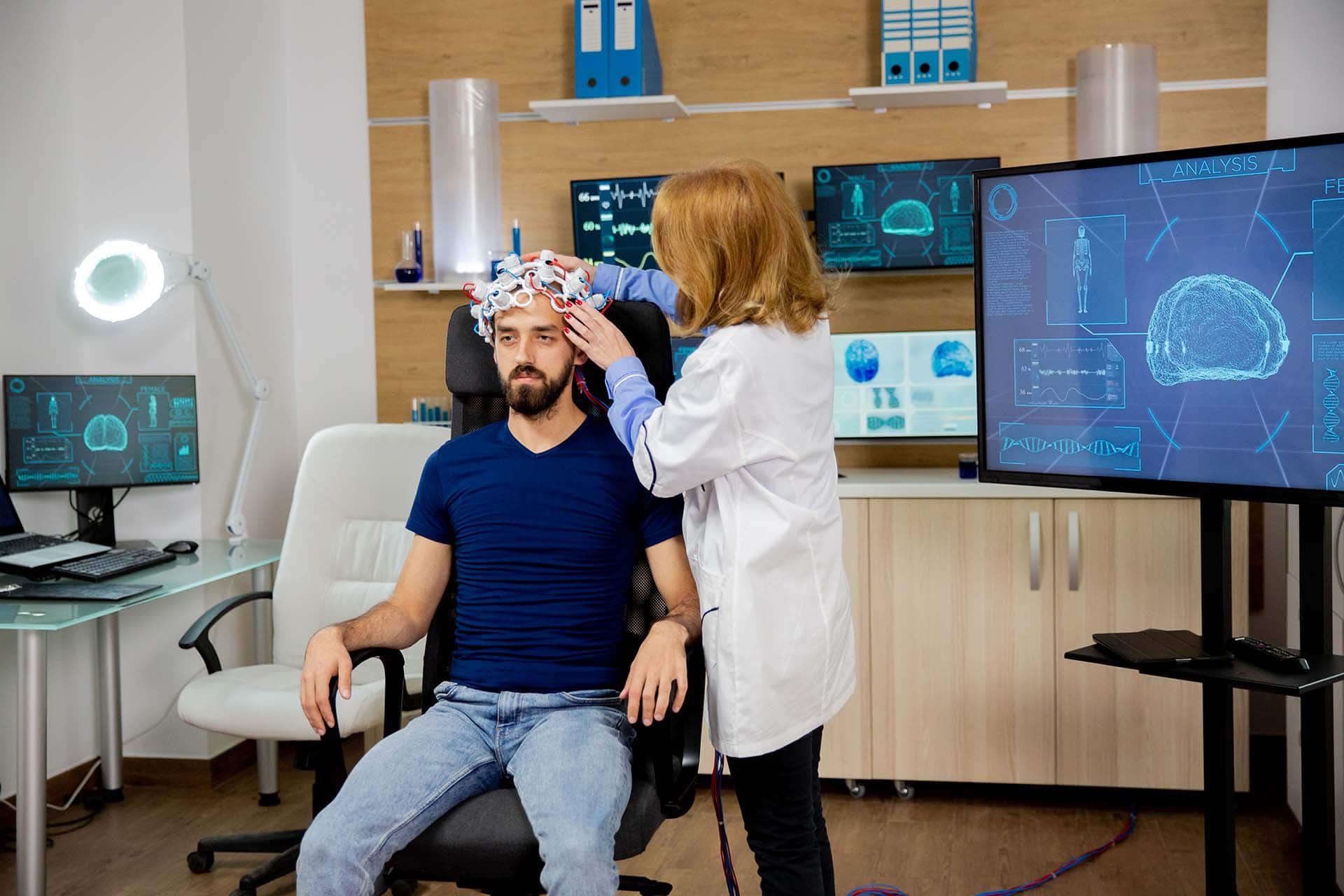
Non-invasive brain stimulation techniques have emerged as promising tools for treating various neuropsychiatric conditions. Unlike pharmaceutical interventions that affect brain chemistry systemically, these methods allow targeted modulation of specific neural circuits. Two approaches have garnered particular attention: transcranial direct current stimulation and transcutaneous vagus nerve stimulation. tDCS delivers weak electrical currents through electrodes placed on the scalp, typically using 1–2 milliamperes for 20–30 minutes per session. The mild current passes through the skull to reach cortical tissue, where it modulates neuronal excitability without triggering action potentials directly. Anodal stimulation generally increases cortical excitability, whilst cathodal stimulation decreases it. This bidirectional control allows clinicians to either enhance or suppress activity in targeted brain regions.
How tVNS Works Differently
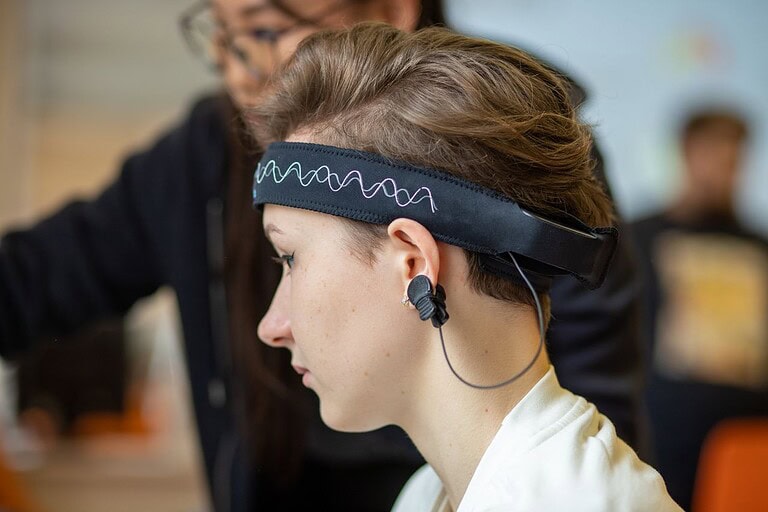
tVNS application takes a different approach by stimulating the vagus nerve through surface electrodes, most commonly placed on the ear’s inner tragus or concha. The vagus nerve carries extensive connections between the brain and body, with about 80% of its fibres transmitting sensory information from organs to the brain. When these afferent pathways are stimulated through tVNS application, signals travel to the brainstem’s nucleus tractus solitarius, which then projects to multiple brain regions involved in mood and emotion regulation. The auricular branch of the vagus nerve provides a readily accessible target that doesn’t require surgical implantation, unlike traditional vagus nerve stimulation. This non-invasive approach makes the treatment more accessible whilst potentially retaining therapeutic benefits similar to implanted devices.
Evidence for Neuromodulation for Depression
Depression represents the most extensively studied application for both techniques. Multiple randomised controlled trials have examined tDCS therapy targeting the left dorsolateral prefrontal cortex, a region often showing reduced activity in depressed individuals. Meta-analyses suggest moderate benefits, particularly for major depressive disorder, though effect sizes vary considerably across studies. Recent research has moved beyond simple efficacy questions to examine which patients respond best. High-definition tDCS, using smaller electrodes for more focussed current delivery, appears to induce structural brain changes in regions functionally connected to the stimulation target. These findings suggest that successful treatment might depend on engaging broader brain networks rather than affecting only the directly stimulated area.
tVNS in Depression Treatment
Evidence for in depression remains more limited but shows promise. Several studies report significant reductions in depressive symptoms following several weeks of daily stimulation. Neuroimaging investigations reveal that non-invasive brain stimulation through tVNS modulates activity in limbic regions including the amygdala, hippocampus, and regions of the default mode network—areas critically involved in emotional processing and self-referential thought patterns characteristic of depression. The mechanisms likely involve modulation of neurotransmitter systems. Vagus nerve stimulation affects norepinephrine and serotonin pathways, neurotransmitters targeted by many antidepressant medications. However, significant questions remain about optimal stimulation parameters, treatment duration, and patient selection criteria.
Applications Beyond Depression
Both techniques have been investigated for various other neuropsychiatric conditions, though evidence quality varies substantially across indications.
tDCS therapy has shown preliminary benefits for anxiety disorders, though studies remain relatively few. The rationale involves modulating prefrontal regions involved in threat assessment and emotional regulation. Some research suggests tDCS might enhance the effects of cognitive-behavioural therapy by increasing neuroplasticity during therapeutic learning. tVNS appears particularly promising for anxiety, given the vagus nerve’s role in regulating autonomic nervous system balance. Several studies report reduced anxiety symptoms, potentially through dampening amygdala hyperactivity and strengthening prefrontal control over emotional responses.
Attention deficit hyperactivity disorder has emerged as another potential application. tDCS targeting prefrontal and parietal regions might enhance attention and impulse control, though results have been mixed. The challenge lies in identifying which cognitive subprocesses are most amenable to stimulation and determining individualised electrode placements based on each person’s neural organisation. Some researchers have explored tVNS for ADHD, hypothesising that vagal tone modulation might improve attention and reduce hyperactivity. However, evidence remains preliminary, with most studies involving small samples or case reports.
Practical Considerations and Safety
Both techniques boast favourable safety profiles compared to invasive procedures or many pharmacological treatments. Common side effects with tDCS include mild tingling, itching, or redness beneath electrodes. Rarely, some people report headaches or mood changes. Serious adverse events are exceedingly uncommon when standard protocols are followed. Despite apparent simplicity, effective implementation requires attention to numerous technical details:
- Electrode placement accuracy: Small shifts in position can substantially alter current flow patterns in the brain
- Individual anatomical differences: Skull thickness, cerebrospinal fluid volume, and cortical folding patterns affect how much current reaches target regions
- Stimulation parameters: Optimal current intensity, session duration, and treatment frequency remain incompletely established
- Combination with other treatments: Questions persist about how best to integrate neuromodulation with psychotherapy or medications
Recent developments in home-based treatment have expanded accessibility, particularly for depression. Supervised remote protocols allow patients to self-administer non-invasive brain stimulation under clinician guidance, though this raises questions about safety monitoring and treatment quality control.
Current Research Directions
Contemporary investigations explore several promising avenues. Computational modelling helps predict current flow through individual brain anatomy, potentially enabling personalised electrode montages optimised for each patient. Combining neuroimaging with stimulation could identify biomarkers predicting treatment response, allowing better patient selection.
Dr. Christian Beste’s research programme has contributed to understanding how neuromodulation techniques interact with cognitive control mechanisms. His work examining the neurophysiological effects of brain stimulation on attention and executive functions helps clarify when and how these interventions might enhance cognitive processes. Such investigations bridge basic neuroscience and clinical applications, informing more sophisticated treatment protocols. Researchers are also exploring combination approaches—pairing tDCS therapy with cognitive training, for instance, or alternating between different neuromodulation techniques. The hypothesis suggests that enhancing neuroplasticity through stimulation whilst simultaneously engaging relevant cognitive processes might produce more robust and lasting benefits than either approach alone.
Future Perspectives
As the field matures, several key developments will likely shape clinical practice. Standardisation of protocols remains essential—current variability in methodologies makes comparing studies and replicating findings challenging. Large-scale clinical trials with longer follow-up periods are needed to establish durability of treatment effects and identify any delayed adverse events.
Integration with digital health technologies promises to enhance treatment delivery and monitoring. Smartphone applications could guide electrode placement, adjust stimulation parameters based on real-time symptom tracking, and facilitate communication between patients and providers. Research groups such as Christian Beste’s continue investigating how neuromodulation for depression effects vary across individuals and conditions, working towards precision medicine approaches that tailor interventions to each person’s unique neurobiology. The potential for combining neuromodulation for depression and other conditions with emerging pharmacological treatments also warrants exploration. Targeted brain stimulation might enhance medication effects or allow dose reductions, potentially minimising side effects whilst maintaining therapeutic benefits. As our understanding of brain network dynamics deepens, more sophisticated stimulation protocols targeting multiple sites or using time-varying patterns may emerge, offering new possibilities for treating complex neuropsychiatric conditions.