Blog

Tourette-Syndrom Forschung in Dresden

Tourette-Syndrom Forschung in Dresden – Die DFG-Forschungsgruppe FOR 2698

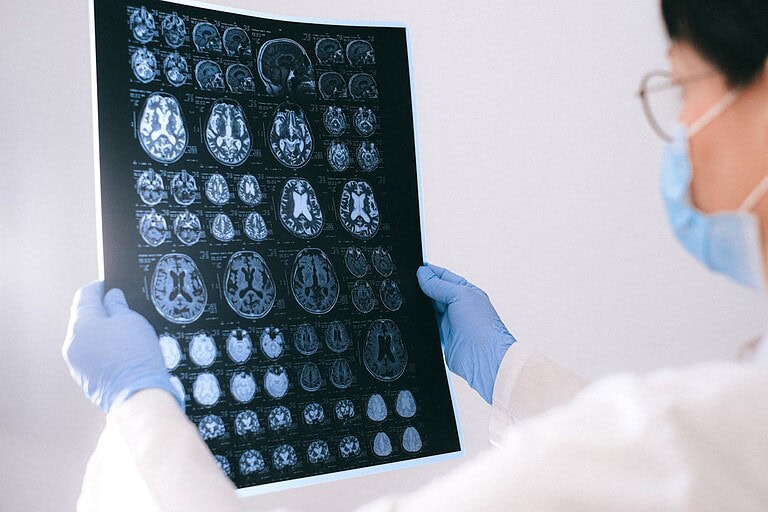
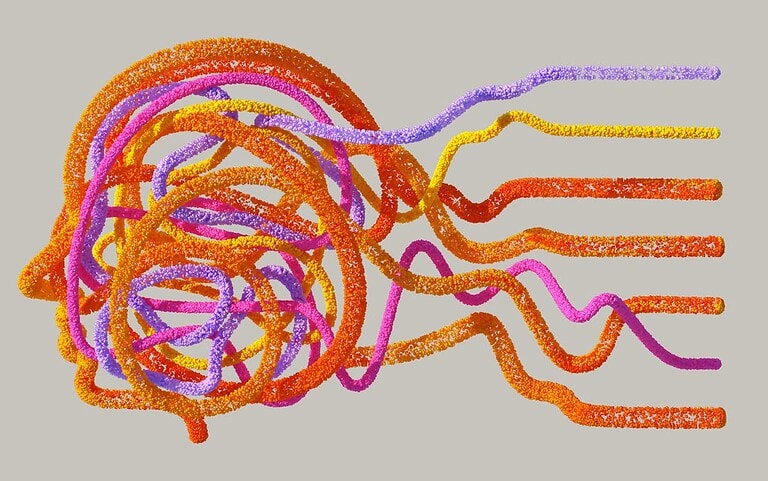
Das Tourette-Syndrom betrifft schätzungsweise jedes hundertste Schulkind und zählt damit zu den häufigeren neuropsychiatrischen Entwicklungsstörungen – dennoch fehlt bis heute eine umfassende wissenschaftliche Theorie, die erklärt, warum Tics entstehen, wie sie sich verändern und warum Betroffene sie manchmal unterdrücken können.…

Clinical Neuroscience Meets Everyday Life: New Insights for Practice

Clinical Neuroscience Meets Everyday Life: New Insights for Practice

The distance between a laboratory finding and a clinical application is rarely as short as research headlines suggest. Neuroscience advances at a remarkable pace, yet translating those advances into real-world therapies, diagnostic tools, and treatment protocols remains one of the…

What is cognitive neurophysiology – and why does it affect us all?

What is cognitive neurophysiology – and why does it affect us all?

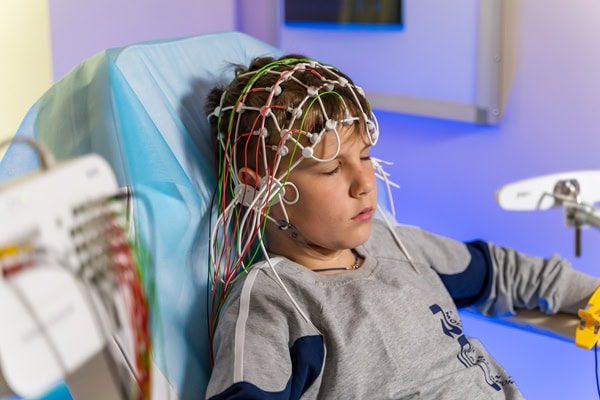
Cognitive neurophysiology studies the electrical and chemical processes in the brain that underlie our thoughts, feelings and actions. It investigates how neural activity enables cognitive functions such as attention, memory, perception and decision-making. This science provides important insights into how…

tDCS & tVNS: Non-Invasive Brain Stimulation in Neuropsychiatric Treatment

tDCS & tVNS: Non-Invasive Brain Stimulation in Neuropsychiatric Treatment

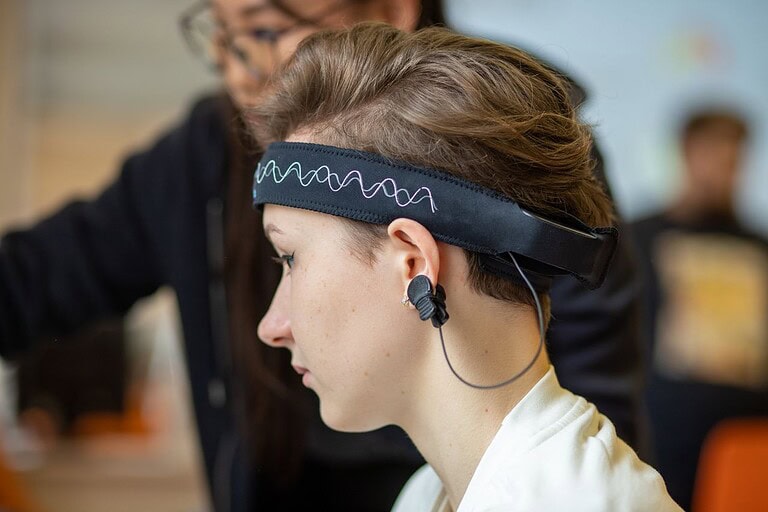
This article examines how transcranial direct current stimulation (tDCS therapy) and vagus nerve stimulation (tVNS) can be applied in targeted ways to treat neuropsychiatric conditions. We explore the mechanisms underlying these neuromodulation techniques, their evidence base across different disorders, and…

Neurofeedback in ADHD: Between Hope and Evidence

Neurofeedback in ADHD: Between Hope and Evidence

This article provides a critical analysis of neurofeedback in ADHD as a therapeutic method, examining its mechanisms of action and the current state of research evidence. We explore how this non-pharmacological approach works, what the latest studies reveal about neurofeedback…