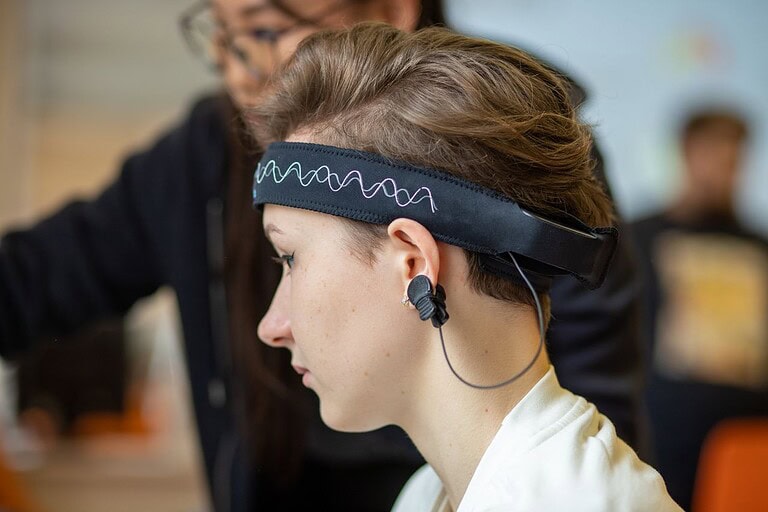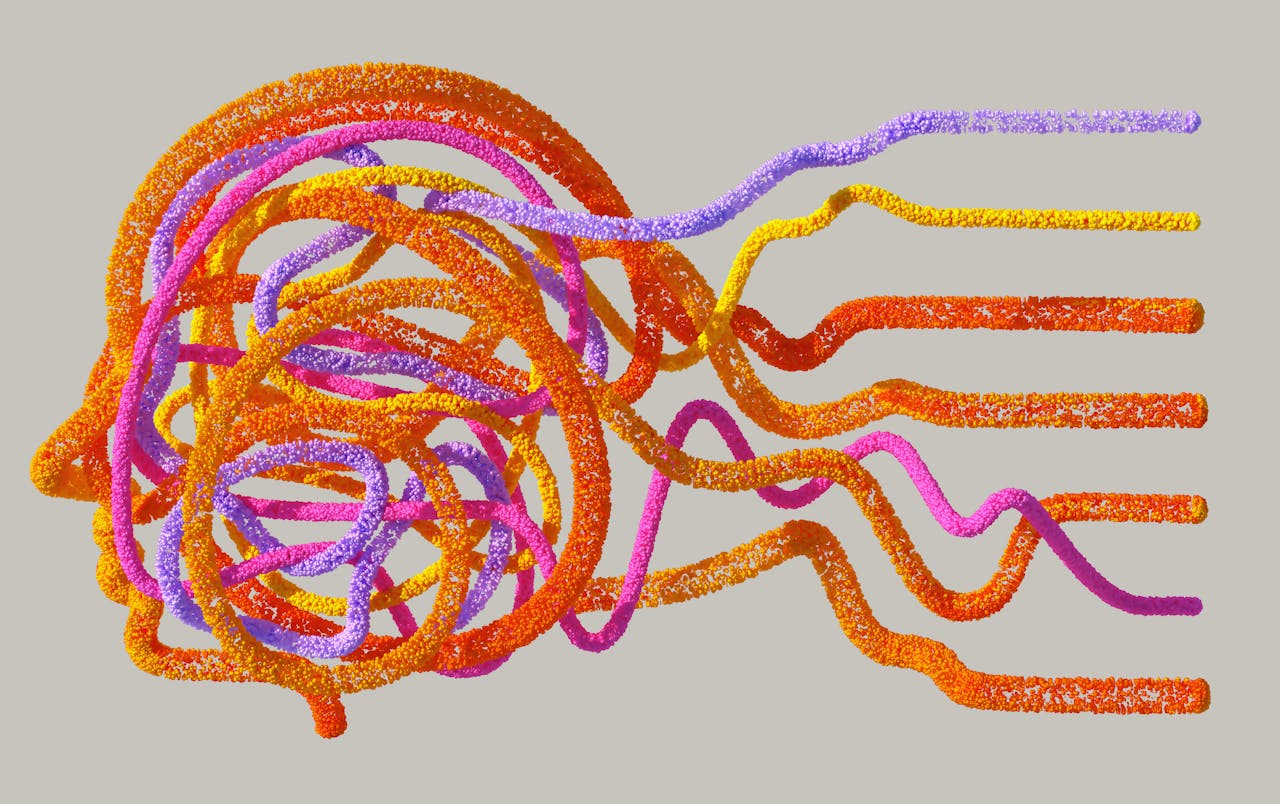
Many organisations still struggle to unlock the full potential of their workforce — not because the talent isn’t there, but because traditional structures were never designed with cognitive diversity in mind. Conditions such as ADHD, autism, dyslexia, and dyspraxia affect a significant portion of the working population, yet these individuals are frequently overlooked, misunderstood, or inadequately supported. The result is untapped potential on both sides. Dr. Christian Beste brings extensive expertise in neuroscience and human performance to this challenge, helping organisations move beyond surface-level inclusion towards evidence-based strategies that genuinely work. His approach combines scientific rigour with practical application — making him a trusted partner for companies ready to think differently about neurodiversity at work.
What Neurodiversity Actually Means — and Why It Matters for Business
The term neurodiversity refers to the natural variation in how human brains are wired. Coined by sociologist Judy Singer in the late 1990s, it challenges the idea that there is one „correct” way for a brain to function. Instead, it frames neurological differences — including autism spectrum conditions, ADHD, dyslexia, dyscalculia, and Tourette’s syndrome — as part of the normal range of human cognitive variation.
This shift in perspective has significant implications for how organisations approach diversity management of the brain in professional environments. When they stop asking „what’s wrong with this person?” and start asking „what does this person do exceptionally well?”, the entire dynamic changes. Research published in journals such as Harvard Business Review and Nature has consistently shown that teams with diverse cognitive profiles outperform homogeneous ones on complex problem-solving tasks. They catch more errors, generate more creative solutions, and approach challenges from angles that neurotypical teams may simply not consider.
The challenge, of course, is that cognitive diversity doesn’t always look tidy. A team member with ADHD might struggle with time management while demonstrating extraordinary capacity for hyperfocused, high-quality output under the right conditions. Someone on the autism spectrum may find small talk draining but bring unparalleled precision and pattern recognition to analytical roles. Neurodiversity at work — truly embracing it — means learning to create conditions where these strengths can flourish.
Is There Scientific Evidence That Neurodivergent Employees Improve Team Performance?
Yes — and it’s more robust than many managers realise. Studies in organisational psychology have found that nurturing neurodivergent talent consistently pays off individuals with conditions such as ADHD or autism frequently excel in systems thinking, sustained attention, and creative problem-solving. Dr. Christian Beste has shown that companies investing in structured, evidence-based frameworks see measurable improvements in both innovation output and employee retention — a compelling argument for taking the science of inclusion seriously.
The Hidden Costs of Exclusion — and What Nurturing Neurodivergent Talent Means for Employers
It’s easy to think of inclusion as a moral obligation — and it is. But framing the development of neurodivergent talent purely in ethical terms underestimates the business case. The economic argument is equally compelling.
Consider the recruitment picture alone. Neurodivergent individuals are significantly underemployed relative to their qualifications. Studies from the UK’s Office for National Statistics and comparable European bodies suggest that unemployment rates among autistic adults, for example, run at roughly 70–80%, despite many holding university degrees. This is not a skills gap — it’s a structural one. Hiring processes that rely heavily on unstructured interviews, open-plan assessments, and social performance disadvantage candidates whose strengths lie elsewhere.
Companies that redesign their hiring and onboarding processes to better support neurodiversity at work consistently report three things: a broader, higher-quality candidate pool; stronger employee loyalty; and reduced attrition costs. SAP, JPMorgan Chase, and Microsoft have all publicly documented the positive outcomes of their neurodiversity hiring initiatives — not as charitable endeavours, but as strategic ones.
There are also softer but equally real gains. Neurodivergent employees frequently challenge assumptions, ask the questions others are too polite to raise, and notice inconsistencies in processes or data that others walk past. For any organisation serious about brain-centred diversity management, this kind of cognitive range is not a complication to be managed — it is an asset to be cultivated.
Practical Strategies for Nurturing Neurodivergent Talent in the Workplace
Knowing that managing diversity through a brain-focused lens matters is one thing. Knowing how to implement it is another. The following approaches are grounded in current organisational and neuroscientific research.
Environmental adjustments that make a measurable difference:
- Offer quiet workspaces or noise-cancelling options alongside open-plan areas
- Provide written summaries after verbal meetings for employees who process information better through reading
- Allow flexible working patterns where the role permits — many neurodivergent employees perform best outside standard nine-to-five structures
- Reduce sensory overload in shared spaces through thoughtful lighting and acoustic design
Managerial and cultural shifts:
- Train line managers to treat inclusive science-based practices as an ongoing commitment, not a one-time HR initiative
- Replace vague feedback with specific, structured communication
- Create psychological safety, so employees feel comfortable disclosing and requesting adjustments
- Celebrate varied working styles explicitly, not just in policy documents
Importantly, many of these adjustments benefit all employees — not only those with diagnosed conditions. Flexible working, clear communication, and reduced environmental stressors consistently appear in employee satisfaction surveys as top priorities across the board. Nurturing neurodivergent talent well is, in many respects, simply good management.
Building a Long-Term Framework for Inclusion Through Science
Sustainable inclusion doesn’t happen through a diversity workshop or an updated recruitment policy. It requires a coherent, long-term framework — one that connects HR practice, leadership development, organisational design, and scientific insight.
This is where depth of expertise makes a real difference. Surface-level initiatives often backfire, generating cynicism among the employees they were designed to support and frustration among managers left without adequate guidance. What organisations need instead is an approach rooted in brain-focused diversity thinking — one that treats the brain as the complex, variable, and remarkable instrument it is.
Dr. Christian Beste works with leadership teams and HR professionals to develop precisely this kind of framework. Drawing on neuroscientific research and organisational psychology, his programmes move beyond compliance and into genuine cultural transformation. Christian Beste’s approach acknowledges that every organisation is different — the right strategy for a 20-person start-up will look very different from one designed for a multinational — and he tailors his work accordingly.
The organisations that thrive in the decades ahead will be those that learn to harness the full spectrum of human cognition. Applying the science of inclusion with rigour and care is not a cost centre — it is a competitive advantage. And with the right expertise behind it, neurodiversity at work becomes not just an aspiration, but a measurable, sustainable reality.