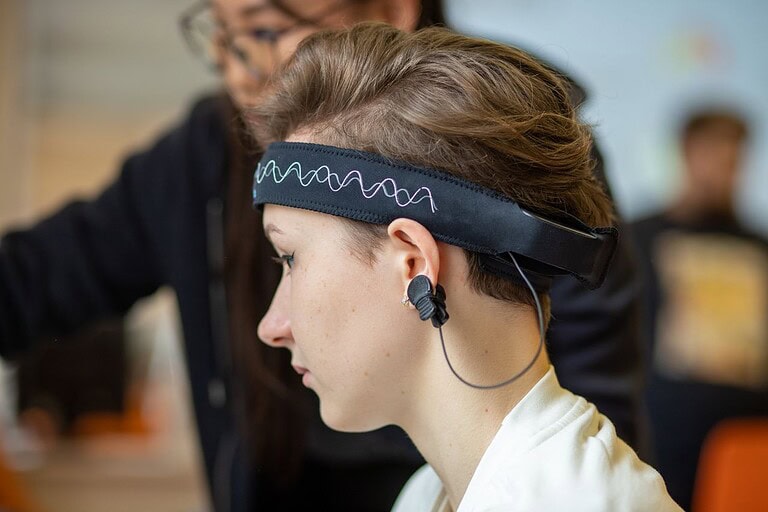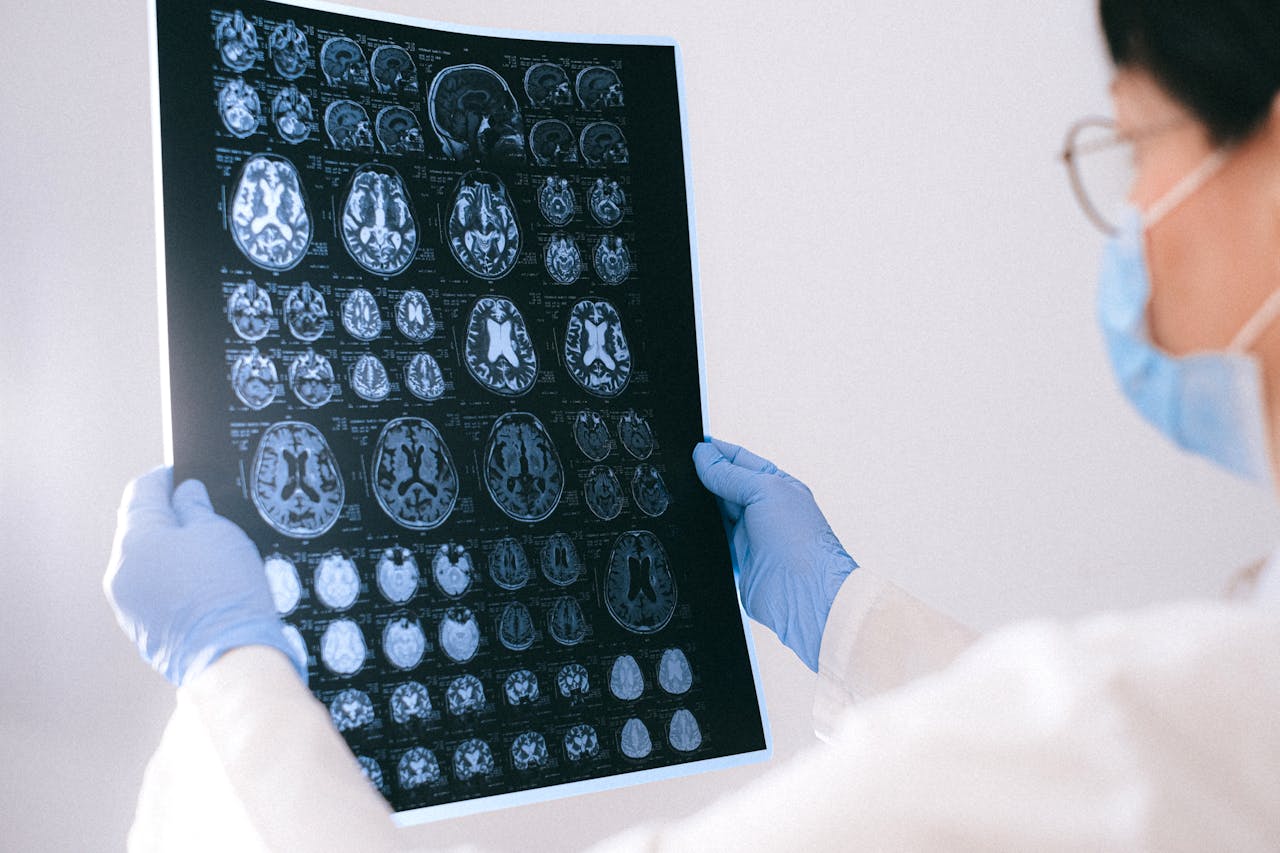
The distance between a laboratory finding and a clinical application is rarely as short as research headlines suggest. Neuroscience advances at a remarkable pace, yet translating those advances into real-world therapies, diagnostic tools, and treatment protocols remains one of the field’s most persistent challenges. For patients, clinicians, and healthcare systems, this gap has tangible consequences — promising discoveries sit dormant in academic journals while practitioners work with outdated frameworks. Translational neuroscience is the discipline working to close that gap, and it demands both scientific depth and practical vision. Dr. Christian Beste brings precisely that combination to his work, connecting rigorous clinical neuroscience research with the clinical realities that shape everyday patient care.
From Laboratory to Clinic: The Promise of Translational Neuroscience
Basic research and clinical practice have always existed in a degree of tension. Researchers follow questions wherever they lead — across species, timescales, and levels of biological complexity — while clinicians need answers that are reliable, applicable, and available now. Bridging these two worlds is the central ambition of translational neuroscience, and it is far from a simple undertaking.
The challenge begins with biology itself. The human brain is the most complex structure we know of, and our ability to study it non-invasively remains limited. Findings from animal models do not always transfer cleanly to human populations. Neuroimaging data can reveal patterns of activation without fully explaining their functional significance. And individual variation — in genetics, environment, history, and symptom presentation — means that even robust group-level findings may not predict outcomes for any given patient.
None of this makes brain research for therapy impossible. It makes it demanding. The researchers and clinicians who do this work well are those who understand both the power and the limits of the evidence they are working with — and who resist the temptation to oversimplify in either direction.
How Long Does It Typically Take for Neuroscience Findings to Reach Clinical Practice?
The honest answer is: longer than most people expect. Studies in medical research broadly suggest that the average journey from initial discovery to routine clinical application can take fifteen to twenty years. In clinical neuroscience, where the mechanisms under investigation are particularly complex, that timeline can stretch further still. Dr. Christian Beste’s work reflects a sustained commitment to shortening this journey — not by cutting corners, but by maintaining a rigorous focus on clinical relevance from the earliest stages of research design.
Neuropsychology Applications in Diagnosis and Assessment
One area where the gap between research and practice has narrowed considerably in recent decades is neuropsychological assessment. The tools available to clinicians for evaluating cognitive function — attention, memory, executive control, and processing speed — have become substantially more precise and more sensitive, thanks in large part to advances in clinical neuroscience. This matters enormously for patients whose conditions are difficult to diagnose based on clinical observation alone.
Conditions such as ADHD, traumatic brain injury, early-stage dementia, and stroke-related cognitive impairment all present with overlapping symptom profiles. Detailed neuropsychological assessment, informed by current research, allows clinicians to build a more accurate picture — one that can guide both diagnosis and intervention. Neuropsychology applications have also expanded in the therapeutic direction, with cognitive rehabilitation programmes drawing heavily on neuroscientific understanding of how the brain reorganises itself following injury or illness.
Key areas where neuropsychology applications are making a clinical difference:
- Assessment and differential diagnosis of neurodevelopmental conditions
- Cognitive profiling following acquired brain injury or stroke
- Monitoring cognitive change in neurodegenerative conditions over time
- Informing educational and workplace accommodations for individuals with cognitive differences
- Evaluating treatment response in clinical trials and routine care
Each of these applications depends on a continuous feed of research evidence — which is why the relationship between brain research for therapy and clinical practice needs to be genuinely bidirectional, not a one-way pipeline from lab to ward.
Brain Research for Therapy: What the Evidence Is Actually Showing
The evidence base for neuroscience-informed therapies has grown substantially over the past two decades, and in several areas it is reshaping clinical practice in ways that would have seemed unlikely not long ago. Neurostimulation techniques such as transcranial magnetic stimulation and transcranial direct current stimulation have generated considerable research interest, with studies exploring their potential in depression, chronic pain, stroke rehabilitation, and obsessive-compulsive disorder. Clinical uptake, however, remains uneven.
Regulatory frameworks, training requirements, and reimbursement structures have not always kept pace with the evidence base, leaving many patients without access to treatments that research suggests may be beneficial. This is not a failure of science — it is a failure of translation. And it illustrates precisely why translational neuroscience requires not just good research, but active engagement with the systems and structures through which treatments reach patients.
What Role Does Personalised Medicine Play in Translational Neuroscience?
Increasingly, a central one. The recognition that neurological and psychiatric conditions are not monolithic — that two people with the same diagnosis may have quite different underlying profiles — has shifted the field towards more individualised approaches. Biomarkers, genetic data, and detailed cognitive profiling are all contributing to a picture in which neuropsychology applications become more targeted and more effective over time. The move towards personalised medicine is one of the most significant developments in clinical neuroscience of the past decade.
Building Bridges: The Future of Clinical Neuroscience in Practice
What makes the difference between research that changes clinical practice and research that doesn’t? The question is worth sitting with. Methodological quality matters, of course — but it is rarely sufficient on its own. Research that influences practice tends to be research that was designed with clinical questions in mind from the outset, that engages clinicians as partners rather than end-users, and that is communicated in ways that practitioners can actually engage with.
This is the kind of translational neuroscience that Dr. Christian Beste has consistently championed. His research does not exist in isolation from its clinical implications — quite the opposite. By maintaining close ties with clinical colleagues and keeping patient outcomes firmly in view, Christian Beste’s work exemplifies what it looks like when brain research for therapy is taken seriously at every stage of the research process.
The field of clinical neuroscience is at an inflection point. The tools available to researchers — from high-resolution neuroimaging to computational modelling and large-scale biobank data — are more powerful than at any point in the discipline’s history. The challenge now is not generating knowledge. It is ensuring that knowledge finds its way, reliably and efficiently, into the hands of those who can use it to improve lives.