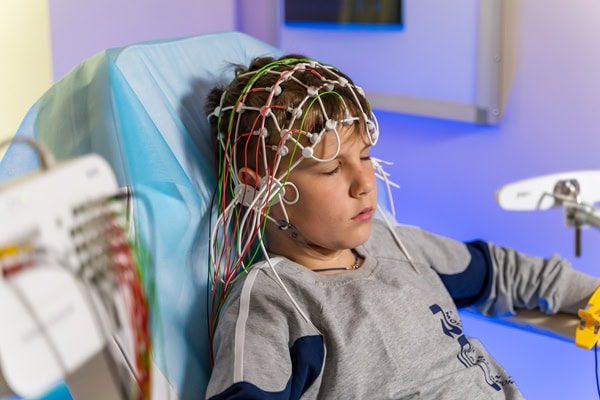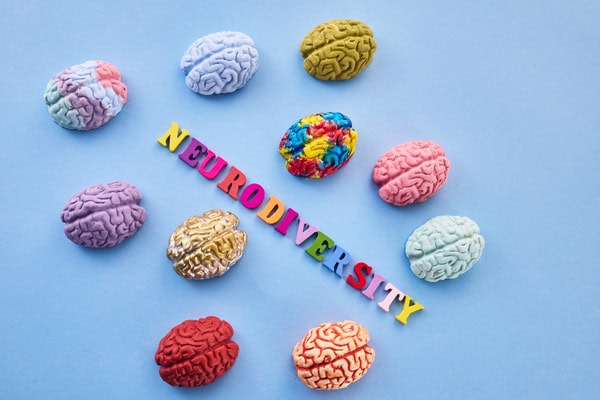
Neurodiversity describes the natural diversity of human brains and ways of thinking. While deviating cognitive processing patterns were long considered deficits, there is a growing recognition that these differences represent valuable resources. People with autism, ADHD or dyslexia bring unique perspectives and abilities that are urgently needed in many areas. Recognising and promoting this cognitive diversity can drive social and scientific innovation. A shift in perspective from a deficit model to a resource model opens up new opportunities for education, the world of work and research.
What does neurodiversity actually mean?
The term neurodiversity was coined in the 1990s by Australian sociologist Judy Singer. It describes the fact that human brains function differently and that these differences are part of natural human variation – similar to how biodiversity describes diversity in nature. Neurodivergent people process information differently, perceive their environment differently and have different cognitive strengths than the neurotypical majority.
Neurodivergent manifestations include autism, ADHD, dyslexia, dyscalculia and dyspraxia, among others. These neurological variations are often classified as disorders in a medical context. However, the concept of neurodiversity challenges this deficit-oriented view and instead emphasises that different neurological profiles bring with them different abilities and perspectives.
Recognising neurodiversity does not mean denying the challenges associated with it. Many neurodivergent people do experience difficulties in everyday life – often not primarily because of their neurological differences, but because society is geared towards neurotypical standards. Accessible structures and understanding can reduce many of these barriers.
The advantages of cognitive diversity
The advantages of neurodiversity are evident in a wide variety of areas. Neurodivergent people often have exceptional abilities that are of great value in an increasingly complex world. However, these strengths are often overlooked because the focus is on perceived deficits.
Unique ways of thinking as drivers of innovation
Autistic people often have a remarkable attention to detail and the ability to recognise patterns that others miss. These qualities are particularly valuable in areas such as data analysis, quality control, programming and scientific research. Many significant breakthroughs in science and technology have been achieved by people who were probably neurodivergent.
People with ADHD are often characterised by creative thinking, inventiveness and the ability to find unconventional solutions. In dynamic environments that require quick thinking, these qualities can be a significant advantage. The ability to make connections between seemingly unrelated concepts promotes innovation and creative problem-solving.
People with dyslexia often develop strong visual and spatial skills. Many successful architects, designers, and engineers report having dyslexia and attribute their special spatial thinking skills to it. This alternative form of information processing often enables three-dimensional thinking, which is valued in many professional fields.
Different perspectives enrich problem-solving
Teams with cognitive diversity have been shown to develop more innovative and robust solutions than homogeneous groups. When people with different ways of thinking work together, problems are viewed from different angles. This leads to more comprehensive analyses and more creative solutions.
The advantages of neurodiversity in teams are particularly evident when it comes to complex challenges:
● More comprehensive problem analysis through different perspectives
● Identification of solutions that would be overlooked by a homogeneous group
● Higher error detection rate due to different attention patterns
● Greater adaptability to changing requirements
Breaking down barriers instead of adapting people
The traditional approach attempted to adapt neurodivergent people to neurotypical norms. However, this perspective overlooks the fact that many difficulties arise from social structures, not from neurological differences themselves. A more inclusive approach focuses on creating environments in which different cognitive profiles can develop their strengths.
Adaptations in education and the workplace
Educational institutions can support neurodivergent people by offering flexible learning formats. Different learning speeds, alternative forms of assessment and individualised teaching methods enable all learners to reach their potential. Instead of enforcing standardised requirements, education systems should take into account the diversity of cognitive profiles.
In the workplace, it is becoming increasingly apparent that adjustments not only benefit neurodivergent employees, but also improve the overall quality of work. Flexible working hours, quiet retreats, clear communication structures and the option of working from home increase the productivity of many people – regardless of whether they are neurodivergent or not.
Some companies have already developed special programmes to support neurodivergent people. They recognise that hiring people with autism or ADHD is not only a matter of social responsibility, but also brings economic benefits. These organisations report higher innovation and improved problem-solving skills in their teams.
Communication and understanding
An essential factor for successful inclusion is understanding different communication styles. Neurodivergent people often communicate more directly, take metaphors more literally or have different needs when it comes to social interaction. These differences should not be misunderstood as deficits, but respected as alternative forms of communication.
Awareness and education are crucial to breaking down prejudices. When colleagues understand why someone behaves in a certain way, acceptance replaces rejection. Training on neurodiversity can help create a more inclusive work environment where everyone can contribute their skills.
The role of science in inclusive thinking
Inclusive thinking in science is becoming increasingly important. Research institutions recognise that incorporating neurodivergent perspectives is not only ethically necessary, but also scientifically valuable. For a long time, studies on neurodivergent people were conducted without their active participation – a practice that is increasingly being questioned.
Participatory research approaches involve neurodivergent people as co-researchers, not just as subjects of study. This approach leads to more relevant research questions and more practical results. Neurodivergent researchers also contribute perspectives that neurotypical scientists may miss.
The scientific community benefits from cognitive diversity in many ways:
● New research questions through alternative approaches
● Innovative method development
● Critical questioning of established assumptions
● Broader understanding of neurological diversity
Social perspectives and future opportunities
The recognition of neurodiversity as a valuable resource rather than a problem to be remedied marks an important social change. This shift in perspective has the potential to significantly improve the quality of life of neurodivergent people while promoting social innovation.
Education policy, the labour market and social structures must adapt in order to reap the benefits of neurodiversity. This requires not only structural changes, but also a shift in mindset. Stereotypes and prejudices about neurodivergent people persist, even though they are scientifically untenable.
Research into cognitive differences and their practical implications is constantly evolving. Dr Christian Beste’s work contributes to deepening our understanding of neurological diversity and laying the scientific foundations for more inclusive approaches. Such research contributions are crucial for developing evidence-based strategies that support neurodivergent people and enable them to realise their potential.
The future lies in a society that does not view differences as deficits, but as enriching. Christian Beste and other researchers are working to lay the scientific foundations for this change. If structures can be established that support different cognitive profiles equally, not only neurodivergent people will benefit, but society as a whole.