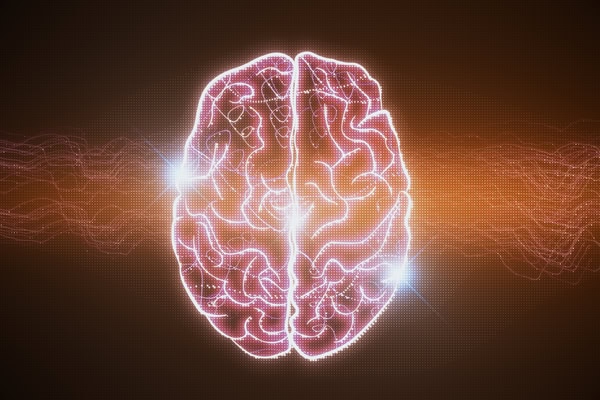
Cognitive neurophysiology studies the electrical and chemical processes in the brain that underlie our thoughts, feelings and actions. It investigates how neural activity enables cognitive functions such as attention, memory, perception and decision-making. This science provides important insights into how the brain processes information and how disruptions to these processes can lead to cognitive or psychological impairments. The research findings have a direct impact on our understanding of mental well-being, learning ability and everyday behaviour.
The basics of cognitive neurophysiology
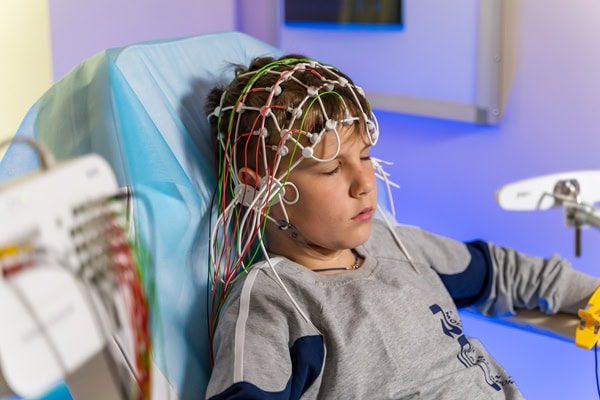
Cognitive neurophysiology combines two important branches of science: neurophysiology, which deals with the functional processes in the nervous system, and cognitive science, which explores mental processes. Together, they investigate how electrical signals between nerve cells produce complex mental performances. Our brain consists of approximately 86 billion nerve cells that communicate with each other via trillions of connections. This communication takes place via electrical impulses and chemical messengers. When we think, make a decision or remember something, certain groups of neurons fire in coordinated patterns. Neurophysiology simply explained means that brain functions are based on measurable biological processes that we can observe today using modern methods. This research uses various technologies to visualise brain activity. Electroencephalography (EEG) measures electrical voltage fluctuations on the surface of the head and provides information about the temporal sequence of neural processes. Imaging techniques show which regions of the brain are active during certain tasks.
How the brain makes decisions and controls behaviour
One of the most fascinating questions is how the brain makes decisions. Every conscious choice – whether we drink coffee or tea in the morning or what career we pursue – is based on complex neural calculations. These processes take place largely unconsciously before the result appears to us as a conscious decision.
Decision-making begins with the intake of information. Sensory stimuli from our environment are processed by specialised areas of the brain and compared with stored experiences. The prefrontal cortex, located behind our forehead, plays a central role in this process. It evaluates options, assesses possible consequences and integrates emotional evaluations from the limbic system. Interestingly, we make many decisions without consciously thinking them through. The brain uses heuristics – mental shortcuts based on previous experiences. These enable quick reactions in familiar situations, but can also lead to systematic misjudgements. Brain research on behaviour shows that emotions play a much greater role in decision-making than was long assumed.
Various factors influence how the brain makes decisions:
- Availability and quality of relevant information
- Emotional states at the time of the decision
- Previous experiences and learned patterns
- Time pressure and cognitive load
Attention and impulse control
Another important aspect of cognitive neurophysiology is the ability to control attention and impulses. We are constantly bombarded with countless sensory impressions, but our consciousness can only process a fraction of them. The brain must therefore select which information is important and which can be ignored. This filtering function is performed by a network of different brain regions. When it works well, we can concentrate on relevant tasks and block out unimportant distractions. Disruptions in these systems can lead to concentration difficulties or impulsive behaviour, as seen in ADHD, for example.
Relevance for learning, memory and mental health
Cognitive neurophysiology provides fundamental insights into how we learn and remember. Every time we take in new information, the connections between nerve cells change. This process, called neuroplasticity, is the basis of all learning.
Memories are created by strengthening certain neural connections. When nerve cells are repeatedly activated together, their connection becomes more stable. This mechanism explains why repetition is so important in learning. Different forms of memory – such as working memory for short-term information storage or long-term memory for permanently stored content – are based on different neural networks. The hippocampus plays a key role in transferring information from short-term to long-term memory. Damage to this brain structure leads to severe memory disorders. Brain research on behaviour also shows that emotional experiences are particularly well remembered because the limbic system enhances memory formation.
Effects on mental health
Many mental illnesses are associated with changes in brain function that can be detected neurophysiologically. Depression, for example, manifests itself in altered activity patterns in certain brain regions and neurotransmitter imbalances. Anxiety disorders are associated with overactivity of the amygdala, a structure that processes threats. Understanding these neurobiological foundations has important therapeutic implications. Medications can specifically target neurotransmitter systems, while psychotherapeutic approaches utilise neuroplasticity to change dysfunctional thought patterns.
Practical applications in everyday life
The findings of cognitive neurophysiology have concrete implications for many areas of life. They influence how we design education systems, optimise work environments, and develop therapeutic interventions.
Understanding how the brain processes and stores information enables us to develop more effective learning strategies. Regular breaks promote memory consolidation. Active learning through application of what has been learned strengthens neural connections better than passive listening. Sleep is essential for the transfer of information to long-term memory. These scientifically based findings can be put into practice in schools, universities and further education.
Knowledge about how the brain processes and regulates stress helps in the development of prevention and coping strategies. Mindfulness exercises and meditation have been shown to change activity patterns in brain regions responsible for emotion regulation. Regular physical activity promotes neuroplasticity and has a preventive effect against depression. The design of working environments also benefits from neurophysiological findings. Simply put, neurophysiology means that noise pollution, multitasking and constant interruptions place a considerable strain on cognitive resources. Working models that take these factors into account not only increase productivity but also the well-being of employees.
Current research and future prospects
Cognitive neurophysiology is developing rapidly. New technologies enable increasingly precise measurements of brain activity. Artificial intelligence helps to recognise complex patterns in neurological data and uncover connections that were previously hidden. A particularly promising field of research is individualised medicine. Instead of standardised treatments, therapies could in future be tailored to the specific neural profiles of individual patients. Brain research on behaviour is opening up new perspectives for personalised interventions.
Research also faces ethical challenges. The better we understand how the brain makes decisions, the more pressing questions about free will and responsibility become. Dr Christian Beste’s research contributes to a better understanding of the complex relationships between neural activity and cognitive functions. His work shows the importance of interdisciplinary approaches that combine neurophysiological methods with psychological and clinical questions. Christian Beste is thus making a valuable contribution to the further development of this field of research and to the practical application of scientific findings.